
One asset.Two lenders.Neither one knows.
Double pledging is invisible from inside a single tape. We reconcile the whole book, across every warehouse, SPV and term deal, and measure the risk.
And it doesn’t stop there. The same run surfaces shared collateral, re-cut tapes and origination fraud. Patterns no single lender can see alone.
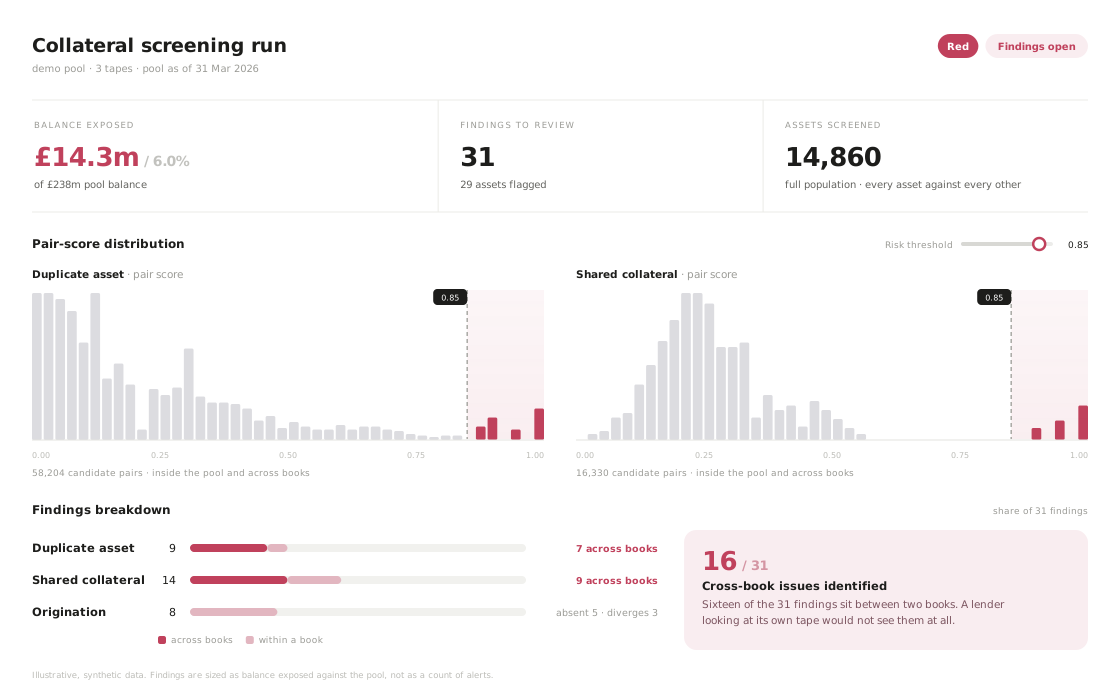
From raw tapes to a signed-off report
Four steps, from the files you already produce to a report a human can sign.

Any facility, any layout
Upload the tapes as they were exported. Mapping to the canonical model is automatic and analyst-correctable.

Every loan against every other
Every comparison surface, both directions, the full population. On every tape cut, not twice a year.
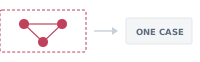
One case per situation
Per-field evidence, the matched records side by side, and a recorded disposition.

The bundle a human signs
Findings, cleared population, limitations and provenance. Re-running the report on the same inputs reproduces it exactly.
Every pledge tested. Every alert evidenced.
Duplicate pledges surfaced
- One asset, two vehicles: the same loan pledged into a second warehouse line, SPV or term deal — including collateral left behind in a warehouse after the sale.
- Matched on substance, not labels: re-cut the tape and renumber the loans, the pair still surfaces.
Segregated by design
- Scoped reporting: the book is screened as a whole; each lender sees evidence for its own facility only.
- No new legal machinery: runs under the audit rights already in the facility documents.
Continuous surveillance
- By tape or by API: screen at every borrowing base cut, or as the book changes.
- No waiting for the annual exam: a duplicate introduced after closing surfaces at the next cut.
Audit-ready evidence
- Evidence on every alert: the matched records, the fields that drove the match, the recorded disposition.
- A report you can hand over: dated, loan-level, sized as balance exposed, reproducible on the same inputs.
Every loan in the tape. Not a sample.
We screen the whole tape: every loan you send, matched against every other loan, in both directions, on every run. Nothing is sampled, nothing is set aside. That matters because a double pledge has two legs, sitting in different places on the book — a sample finds it only when the draw happens to pull both.

Four comparison surfaces, one screen
Each book on its own comes back clean. The finding sits in the space between them.

Within one tape
One loan booked twice, or two loans written independently against the same asset, inside a single pool.
Across cut-offs
A loan re-aged or churned to a new reference between two snapshots of the same book.

Pool against origination
A loan in the pool that the originator's own record does not support, or supports at a different size.

Pool against another book
One asset, two funding vehicles, unrelated references. Neither side can see it from its own tape.
Four categories of finding
Findings join into one case per situation, so the same event is never reviewed twice.
Duplicated loans
The same loan presented twice, re-papered under a new reference, or re-aged between snapshots so it reads as new business.
Shared collateral
Two loans, independently negotiated, secured on one asset.
Performance and value
Balances that never pay down the way the schedule says, and advances that sit above what the asset is worth.
Unsupported loans
Loans in the pool that the originator's own system of record does not account for.
Coincidence sits below the line
Economic neighbours exist in every book: loans that look alike because the market wrote them alike. The engine is built to keep them out of the review queue.
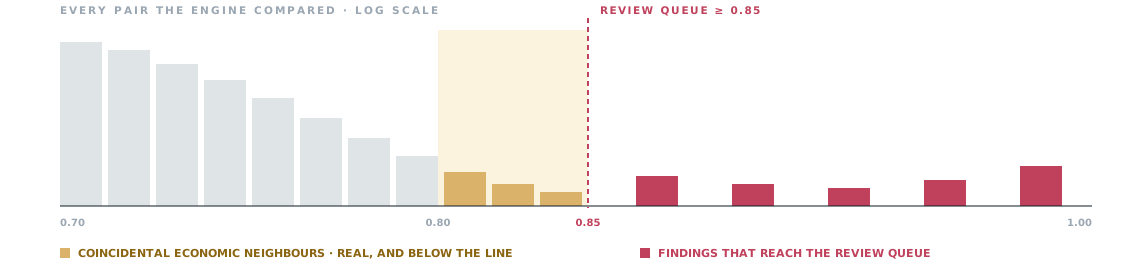
Weak fields never flag
Rate, term and region agree by chance all the time. They corroborate a finding; on their own they never raise one.
Severity needs an anchor
A high score with nothing hard agreeing behind it is not a critical finding, whatever the arithmetic says.
The dials are yours
Review threshold, field weights and tolerances are analyst-controlled and moved live, and every run records the configuration it used.
Collateral integrity in structured finance
Every loan, not a sample
Every asset across every vehicle, at every borrowing base cut. Whole-of-book reconciliation as a standing control, not an annual exercise.
vs two agreed-upon-procedures engagements a year on a sample
Beyond loan IDs
Similarity resolution on the loan's real characteristics. Re-cut the tape, change the identifiers: the duplicate still surfaces.
vs identifier matching a spreadsheet edit defeats
No registry, no network
Works on one originator's book from day one. No shared platform, no industry adoption curve, no waiting.
vs central registries that only catch what participants upload
Explainable
A detailed, audit-ready rationale on every alert, defensible to lenders, trustees and regulators.
vs a clean / not-clean flag no one can stand behind
Evidence for every side of the deal
Originators
Evidence a clean book to your lenders and investors.
Lenders
Independent evidence behind every borrowing base, across the originator's whole book.
Investors
Comfort that the loan pool is screened for double pledging.
Arrangers & structurers
Screen the pool before pricing. Protect your investors, and market the deal with evidence behind it.
Built for your industry
See a clearer path to compliance
We'll show you explainable screening tuned to your policies.